Free shipping, 14-day return or refund guarantee.

Free shipping, 14-day return or refund guarantee.
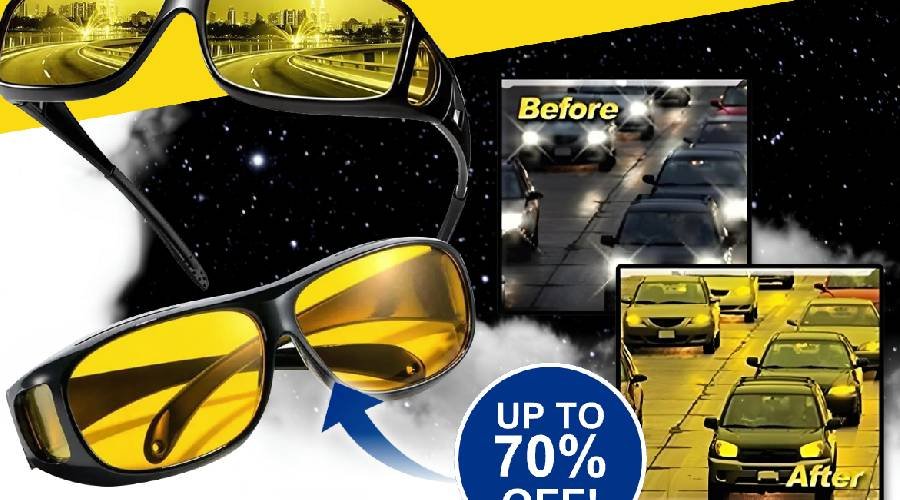
Night vision sunglasses have transformed from military-exclusive technology into accessible devices that allow users to see clearly in complete darkness. These sophisticated optical instruments work by either amplifying available light or detecting heat signatures, enabling vision in environments where the human eye would normally be helpless. Understanding how this technology functions reveals the impressive engineering behind these wearable devices. Whether used by law enforcement, security professionals, hunters, or outdoor enthusiasts, night vision sunglasses represent a significant breakthrough in optical technology that continues to evolve and improve with each passing year.
The most common night vision technology employed in consumer and professional glasses is image intensification, also known as I². This system operates through a sophisticated process: specialized objective lenses gather minimal available light from sources like moonlight or starlight, which then strikes a photocathode that converts photons into electrons. These electrons are accelerated through a microchannel plate (MCP)—a wafer-thin component containing millions of tiny channels that multiply the electron signal by 10,000 to 100,000 times. Finally, the amplified electrons strike a phosphor screen that converts them back into visible green photons, creating the distinctive green-tinted image you see through the eyepiece. This technology is lightweight, battery-efficient, and provides excellent detail in low-light conditions.
Thermal imaging represents an alternative night vision approach that detects infrared radiation rather than amplifying visible light. This technology works by using specialized thermal sensors to create a temperature map of the environment, with warmer objects appearing as bright red, yellow, or white colors, while cooler objects display as blue or black. The primary advantage of thermal imaging is that it operates independently of ambient light and can function in complete darkness without relying on any external light sources. It can also penetrate certain obstacles like smoke or fog and effectively detect people and animals through clothing. However, thermal imaging typically costs significantly more than image intensification systems and consumes more battery power, making it primarily accessible to professional and military users.
Night vision technology is classified into different generations that represent technological advancement and performance capability. Generation 1 and 2 devices offer basic to moderate performance with varying image quality, while Generation 3 systems provide military-grade clarity and exceptional low-light performance using advanced photocathode technology. The newest Generation 4 systems feature filmless microchannel plates and superior resolution, representing the pinnacle of current technology but commanding premium prices. The choice between generations depends on your specific application, budget constraints, and the lighting conditions you'll encounter. Professional users typically invest in Generation 3 or 4 systems for mission-critical operations, while recreational users often find Generation 2 devices provide adequate performance at reasonable costs.
Modern night vision sunglasses find applications across numerous fields including military operations, law enforcement, security, search and rescue, professional hunting, wildlife observation, and recreational outdoor activities. Military and tactical personnel rely on night vision for combat operations and reconnaissance missions, gaining a crucial advantage in low-light environments. Security professionals use these devices for perimeter monitoring and surveillance, while hunters and outdoor enthusiasts employ them for nocturnal animal observation and safe navigation. As technology advances and costs decrease, night vision applications continue expanding into new markets and use cases.
Despite their impressive capabilities, night vision sunglasses have specific limitations users must understand. Thermal imaging cannot read text or identify fine details and loses effectiveness in certain weather conditions like heavy fog. Both technologies require batteries and regular maintenance, and users often experience eye fatigue during extended use. Additionally, there's an adjustment period as eyes acclimate to the monochromatic or thermal display, and depth perception can be challenging in some situations.
The future of night vision technology promises exciting innovations including hybrid systems combining image intensification with thermal imaging, AI-powered threat detection, augmented reality overlays with data visualization, and digital sensors using advanced materials like graphene. These emerging technologies will make night vision devices lighter, more durable, more affordable, and more capable than ever before. When selecting night vision sunglasses, consider your intended use, typical lighting conditions, budget, comfort requirements, and necessary image quality. Whether you're a professional requiring military-grade equipment or a recreational user seeking practical night vision capabilities, today's advanced night vision sunglasses technology offers unprecedented ability to see clearly when darkness falls, transforming nighttime operations from impossible to practical and efficient.